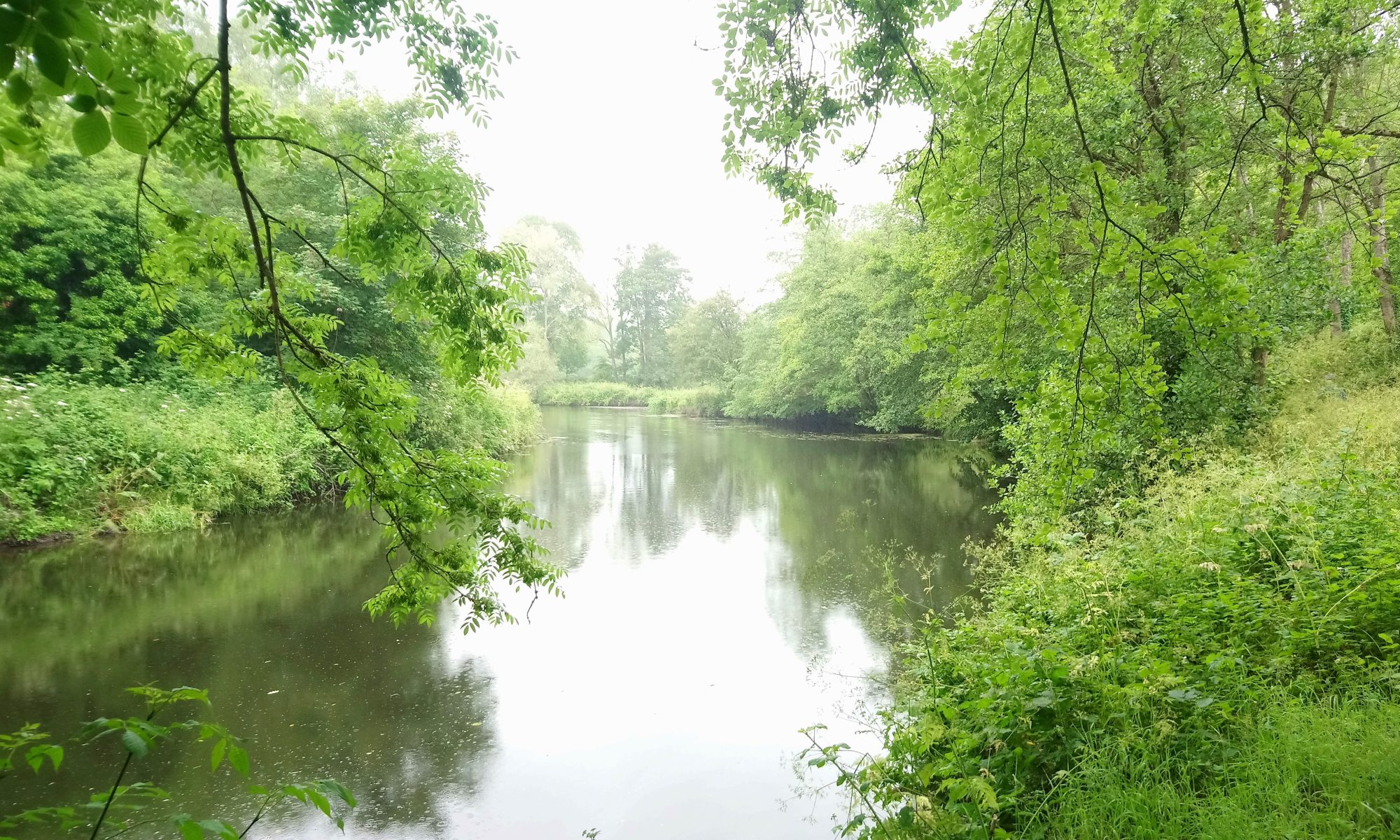

The basic idea was simple, every day I pick a native tree and share some basic identification facts, the Irish name, and maybe some cultural background like superstitions or folklore. It was the same principle as the original “Treetober” I’d done on Twitter back in 2019.
Fundamentally, Treetober was a way to trick myself into making a video everyday and an excuse to talk about native tree species all month. As twitter collapses and I’ve never been any good at sticking with Instagram, it seemed like I needed to make more of an effort on TikTok if I wanted to be able to promote things like From the Roots and the upcoming eco-horror anthology I’m editing, Welcome to the Ruins. As well as that, it’s nice to make things that aren’t a “call to action” (if I can be forgiven for the comms speak) if you’re also going to be asking people to get invested in your projects. I wasn’t quite prepared for how it would shake out.
From the beginning, the series was popular enough to grow my following a little, but not viral or anything like that. I didn’t expect it to be, since it’s pretty niche, but the numbers were more consistent than my usual videos. One thing I noticed very early on though was an odd gender basis. I’m a mouthy lesbian, it’s not going to shock anyone that my TikTok followers have always fluctuated between 65% – 70% women. These treetober videos were being shown to viewers that were 70% men and while some followed me, not enough to meaningful change the dynamic of my followers. They sure did comment plenty though, which is also unsurprising.
This obviously meant I was getting more either harassing or just annoying comments than usual but that isn’t the end of the world. Except that I noticed some of the new accounts taking an interest were accounts for Irish far-right groups or supporters so then I had to do some hasty blocking. It clued me in that something odd was happening so I started taking notes.
The thing that really got my attention was that the demographics my videos were being shown to were the reverse of normal and the reverse of my followers and so, predictably, weren’t doing particularly well. From an algorithmic perspective, it begs the question – why? And that’s one I can’t answer because of the propitiatory nature of TikTok’s algorithm.

The graph above shows the demographic breakdown of the viewers who saw the videos for the treetober series versus two control groups of the same number of videos. The graph below shows the “Full Watch” percentage as an indication of interest by viewers in the videos. This is to demonstrate my point that the demographic shift by TikTok was not in response to men just being more interested in my content. Yet something about the content or the tags like #EcoTok, prompted this basis. Which is strange because gender bias for environmental issues usually goes the other way online.
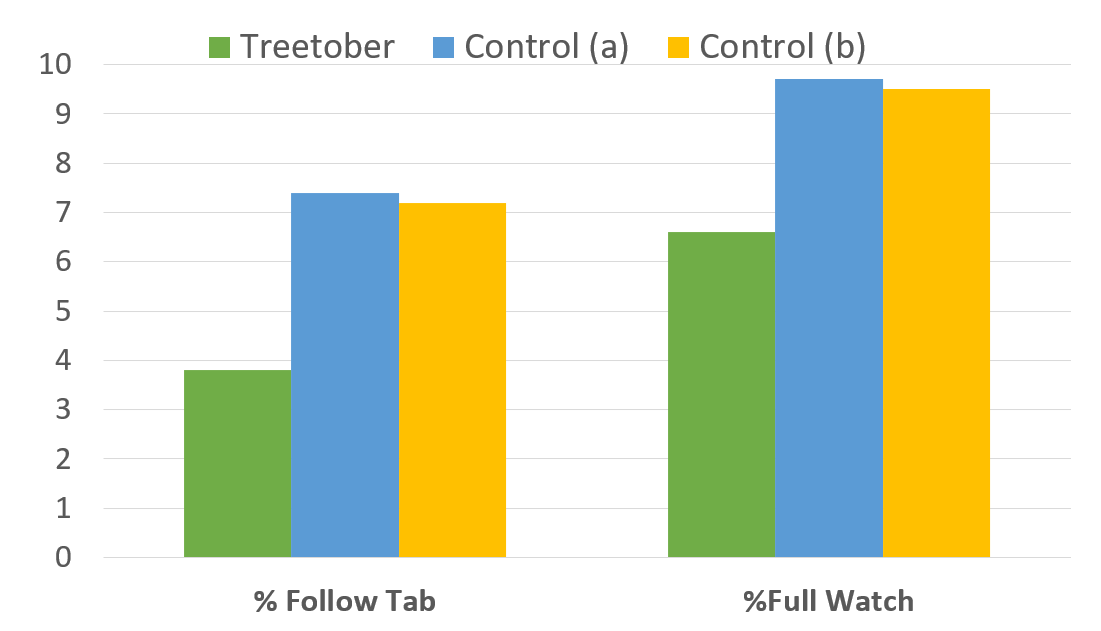
I discuss this graphs and my thoughts on them in the video below as well.
Ultimately, I’m happy enough with how treetober went. I’m happy with the videos I made and I’ve definitely learned a lot about how I read TikTok analytics and how I’d plan future content, but it’s part of a larger concern about algorithm rather than follower based timelines that take a lot of control out of the hands of users.
 Orla ní Dhúill
I loved the Treetober series and this breakdown was really interesting 🙂